

The Allure of Chance and Uncertainty
The psychology of casino games begins with the allure of chance and the uncertainty that comes with it. Many players are driven by the excitement of not knowing whether they will win or lose. This feeling can trigger a rush of adrenaline, as the brain releases dopamine, a neurotransmitter associated with pleasure and reward. For those seeking additional thrills, online pokies real money can offer an exhilarating experience where the unpredictability of outcomes creates a sense of anticipation that can be highly addictive, drawing players back repeatedly to experience that thrill. This is not just about the potential for financial gain; it’s the psychological high that comes from taking risks that keeps many players engaged.
This uncertainty is skillfully woven into the design of casino games through mechanisms such as variable rewards. When players win momentarily, it reinforces their behavior, encouraging them to continue playing in hopes of achieving similar success again. This concept is known as the reinforcement schedule, where sporadic rewards can enhance the likelihood of repetitive behavior. The strategic use of this psychological principle makes casinos highly engaging environments. For instance, the excitement peaks when players experience a near-win, which can be just as stimulating as an actual win, further entrenching their desire to play longer.
Moreover, the design of casino games often exploits cognitive biases that influence decision-making. For example, the gambler’s fallacy leads players to believe that past outcomes can predict future results. A player may think if a particular slot machine hasn’t paid out for a while, it’s due for a win. Such misconceptions often make players feel more confident about their chances and encourage them to wager larger sums, creating a cycle of betting that is difficult to break. This cognitive bias not only fuels the desire to gamble but also reinforces the illusion of control over random events, making the experience all the more compelling.
The Role of Environment and Atmosphere
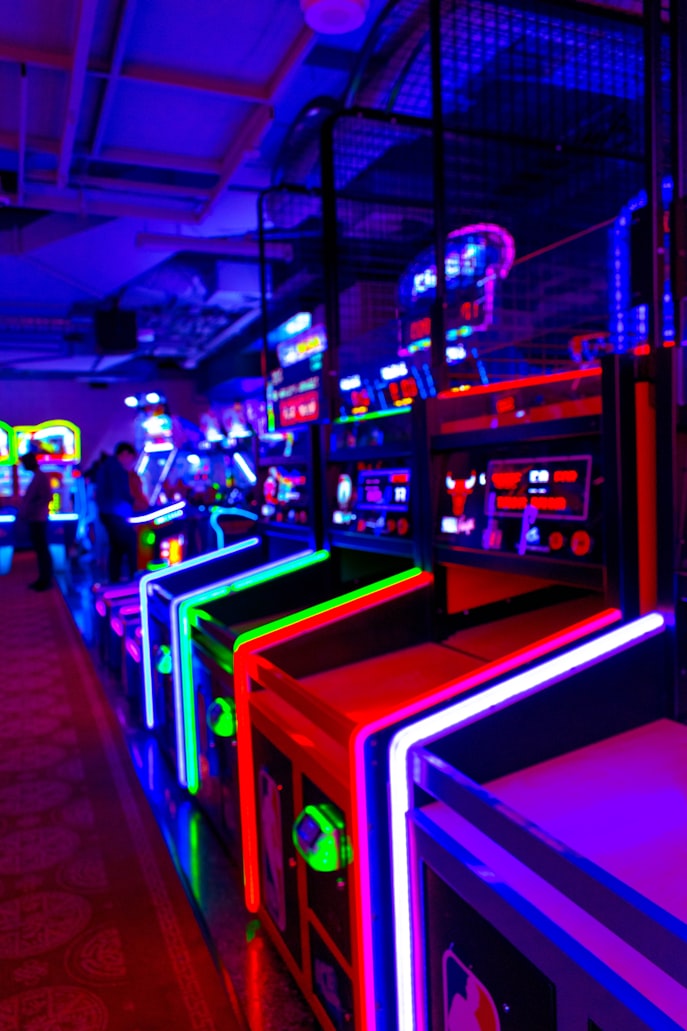
The environment of a casino is meticulously crafted to enhance the psychological experience of its visitors. From the moment players step inside, they are enveloped in visual and auditory stimuli that create an immersive atmosphere. Bright lights, vibrant colors, and high-energy sounds generate excitement, while the scent of fresh beverages and the sight of people celebrating victories contribute to a festive mood. This sensory overload can make it challenging for individuals to keep track of their time and spending, as the environment is designed to engage and distract them from reality.
Casinos strategically position games and amenities to increase player engagement. For instance, placing slot machines near popular attractions or restaurants encourages foot traffic and captures the attention of passing players. Additionally, the lack of clocks and windows in these spaces further isolates players from the outside world, making them less aware of the time they are spending gambling. This manipulation of space and atmosphere effectively keeps players engrossed for extended periods. Every detail, from the comfortable seating to the arrangement of tables, is designed to maximize player comfort and prolong their stay.

Moreover, the social aspect of gambling cannot be overlooked. Many people are inclined to visit casinos not just for the games but for the social interaction they provide. Players often find themselves engaging with others, sharing stories, and celebrating wins together. This communal experience can enhance the enjoyment of gambling, leading individuals to spend more time—and money—in the casino environment, driven by the desire for social connection. The camaraderie found in these settings can mask the risks associated with excessive gambling, making it easier for individuals to lose track of their limits.
The Impact of Emotions on Gambling Behavior
Emotions play a significant role in gambling behavior, significantly influencing decisions and outcomes. Many players experience a range of feelings, from euphoria during wins to frustration or despair during losses. These emotional highs and lows can create a psychological roller coaster that keeps individuals returning to the table, desperately seeking that high from a win. The desire to escape negative emotions or amplify positive feelings can drive people to gamble, often leading to unintended consequences. This emotional dependency can create a cycle where players feel compelled to gamble to chase that fleeting sense of joy or relief.
The concept of emotional regulation is crucial in understanding gambling behavior. Players often use gambling as a coping mechanism to manage stress, anxiety, or depression. The temporary distraction provided by casino games can serve as an emotional reprieve, allowing individuals to forget their problems, at least momentarily. However, this escape can quickly turn into a reliance on gambling as a means of emotional management, perpetuating a cycle that can result in addiction. Understanding these emotional triggers is vital for developing strategies to maintain healthy gambling habits.
Additionally, the excitement of gambling can create a false sense of control, where players believe they can influence outcomes with their strategies. This illusion of control can lead to overconfidence, where individuals wager more than they can afford in hopes of recouping losses. The interplay between emotion and behavior in gambling highlights the complexities of human psychology and underscores the importance of self-awareness when engaging in such activities. Players must recognize these emotional influences to cultivate a more balanced and responsible approach to gambling.
The Science of Loss Aversion in Gambling
Loss aversion is a psychological principle where individuals prefer to avoid losses rather than acquire equivalent gains. In the context of gambling, this means that players often feel the pain of losing much more intensely than the pleasure of winning. This principle shapes gambling behavior, as individuals may chase their losses, convinced that they can turn things around with just one more bet. This dynamic can lead to increased risk-taking and ultimately financial loss, as players are driven by the desire to erase the emotional sting of a loss. The concept of loss aversion explains why many players find it so difficult to walk away after a losing streak.
Research in behavioral economics suggests that the fear of losses motivates players to stay engaged in the game longer than they should. The phenomenon known as “gambling chasing” arises when individuals continue to gamble after losing money, hoping to recover their losses. This behavior can escalate quickly, leading to significant financial and emotional consequences. Understanding loss aversion is vital for both players and those involved in responsible gaming efforts, as it can inform strategies to mitigate harmful gambling behaviors. Recognizing the emotional weight of losses can help players develop healthier perspectives on their gambling activities.
Additionally, the concept of loss aversion is often exploited in the marketing strategies of casinos. Promotions designed to emphasize potential losses rather than gains can create a sense of urgency for players to keep gambling. If a casino advertises that a favorite machine is “due to pay out soon,” players may feel an emotional tug to return, fearing they might miss out on a potential win. This manipulation of psychological principles to drive behavior significantly impacts gambling patterns and overall player experiences. Understanding these tactics can empower players to make more informed choices and resist impulsive decisions driven by fear of missing out.
Understanding Responsible Gaming and Resources
Understanding the psychology behind casino games is crucial for promoting responsible gaming practices. As the allure of chance and the captivating environment of casinos can lead to addictive behaviors, it is essential for players to have access to resources that support healthy gambling. Responsible gaming initiatives aim to educate players about the psychological factors at play and promote self-awareness regarding their gambling habits. Many casinos and online platforms provide tools to help players set limits, track spending, and take breaks as needed. These resources are designed to encourage a more mindful approach to gaming.
Organizations dedicated to gambling support offer various resources, including counseling, hotlines, and educational programs, to address the psychological impact of gambling. These initiatives empower individuals to recognize the signs of gambling addiction and seek help before it escalates. By fostering an understanding of the psychological aspects of gambling, players can cultivate a more mindful approach, balancing the thrills of the game with personal well-being. The availability of these resources is critical in creating a safer gambling environment for all players.
By embracing responsible gaming practices, individuals can enjoy the excitement of casino games while minimizing the risks associated with problem gambling. Awareness of the psychological influences at play allows players to make informed decisions, prioritize their mental health, and engage in gaming as an entertaining and enjoyable form of recreation rather than a source of stress or financial difficulties. Ultimately, fostering a culture of responsibility in gaming not only benefits players but also contributes positively to the overall casino experience.